Vital Therapy
Our therapeutic method
Description of the method
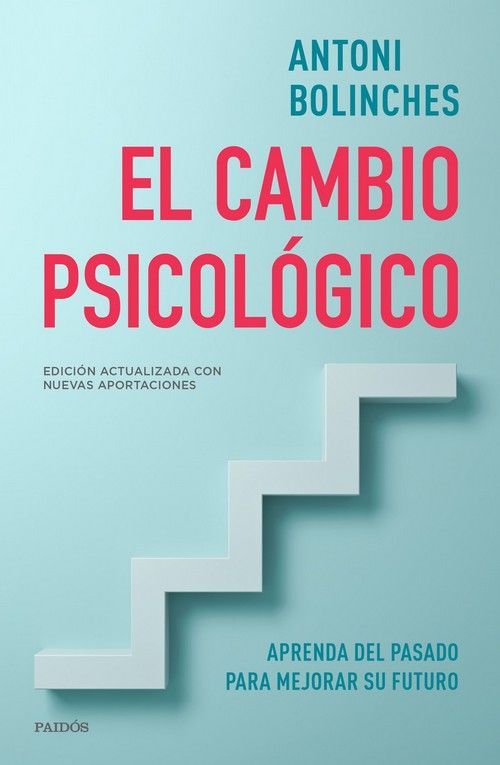
A method doesn’t emerge out of nowhere—it is the refined sum of many prior bodies of knowledge. In my case, Vital Therapy began to take shape when I wrote my first book, El cambio psicológico, published in 1988. In it, I selectively and subjectively integrated elements of the therapeutic models of Sigmund Freud and Carl R. Rogers, whom I considered at the time—and still consider today—to be the main inspirations behind my method. Over the years, and building on that solid foundation, I gradually incorporated theoretical and practical components from the intervention approaches of Eric Berne, Alfred Adler, and Viktor E. Frankl. Eventually, in 2004, Vital Therapy was formally established and registered as such.
Ultimately, it was through the teachings of these five key figures—and my own clinical and teaching experience, carefully reflected upon—that Vital Therapy took shape and continues to evolve. I gave it this name to emphasize the idea that people have the ability to help themselves, and that this capacity is activated when they feel the need to resolve their internal conflicts. That is why I often say that good times are meant to be enjoyed, and hard times are meant to be learned from.
In essence, the method is a program designed for both individual and group application of that core idea. Through it, people learn to harness their psychological potential in service of resolving their vital dilemmas. For this reason, my intervention model is especially suited for those who wish to become the main agents of their own change and the primary facilitators of their own happiness.
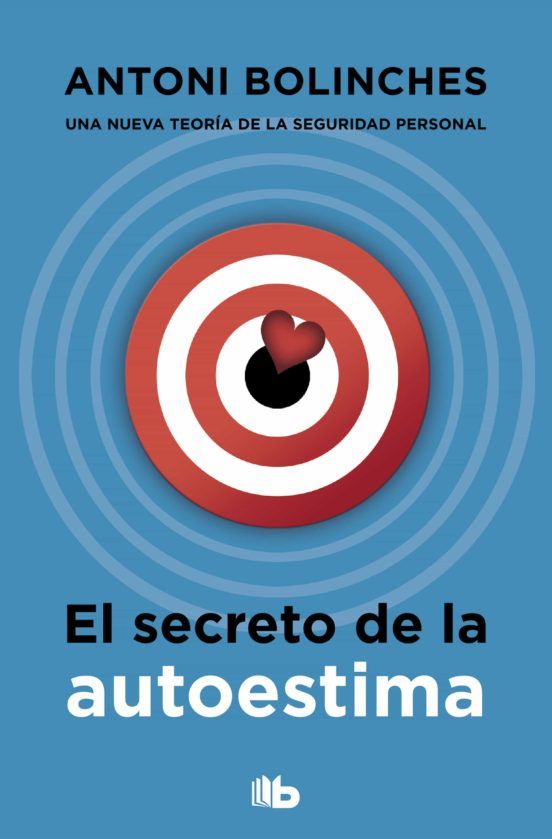
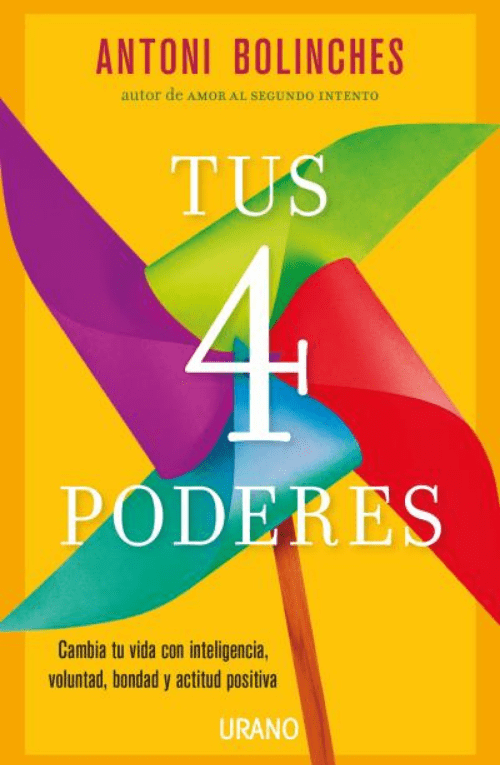
For more detailed information about the main therapeutic tools of the method and how to apply them, you can read El secreto de la autoestima and Tus 4 poderes, or get in touch with us.

Psychological benefits of its application
- Understand the motivations behind behavior.
- Improve the ability to overcome internal contradictions.
- Enhance personal confidence.
- Improve conflict resolution skills.
- Strengthen the ability to achieve life goals.
Ten key guiding ideas of Vital Therapy
- Each person can be their own best teacher.
- Turn your best part into your greatest part.
- There is no growth without suffering.
- In the school of life, the greatest teacher is the wound.
- Learn from your mistakes and you won’t make bigger ones.
- Criticizing others doesn’t make us any better.
- Acknowledging your flaws is a virtue.
- To live is to take risks, fall, and rise again.
- When you do what you must, you become who you want to be.
- Time heals everything… if the person matures.
Books related to Vital Therapy